 01373 482811
 sales@ecosolvrenewables.co.uk



Can You Install an Air Source Heat Pump Without Replacing Your Radiators?
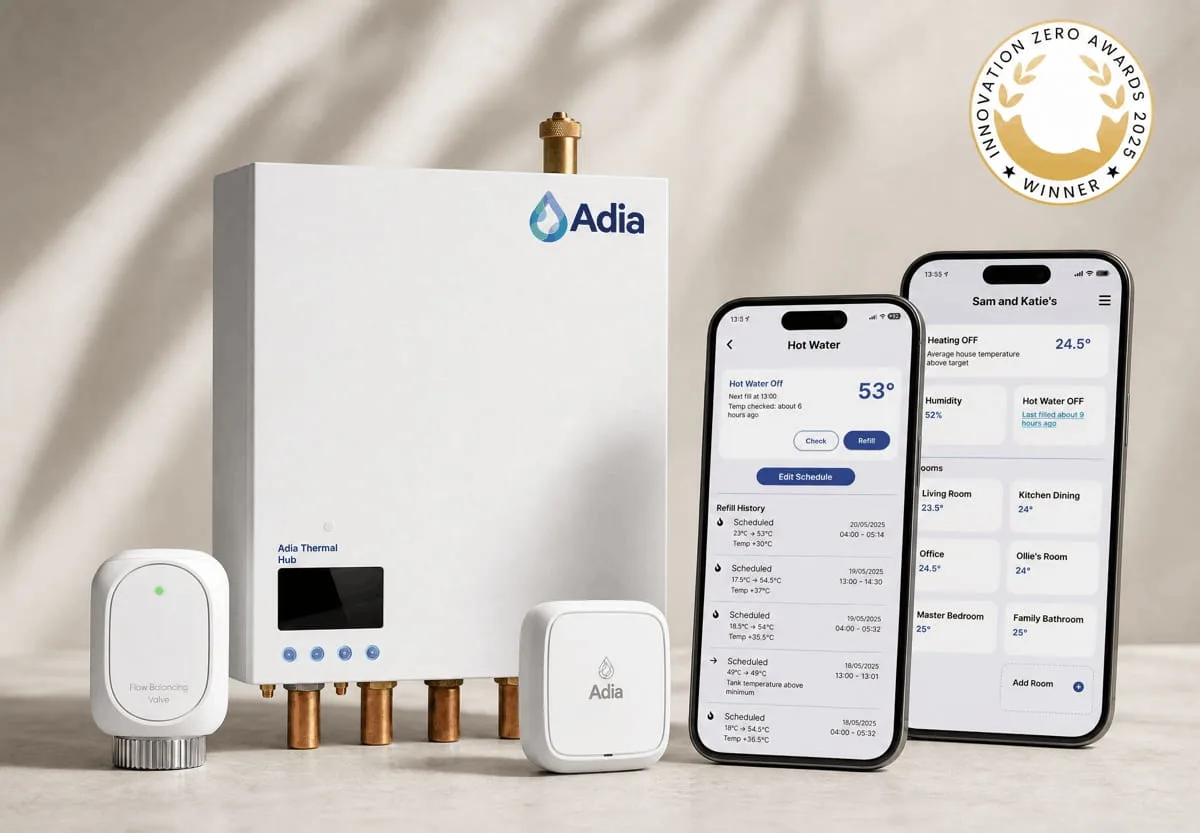
Yes, in many homes an Air Source Heat Pump can be installed without replacing existing radiators. With smart heat pump control technology such as Adia, your heating system can be intelligently optimised to work with your existing radiators and pipework, helping reduce disruption and installation costs.
Replacing a gas boiler with an air source heat pump does not automatically mean stripping out every radiator or changing all of your heating pipework. The important question is whether the existing system can deliver comfortable room temperatures efficiently when paired with a heat pump and the right control strategy.
Adia is designed to make this transition simpler. Its smart hub and radiator controls work with a new heat pump and the radiators already in place, allowing heating to be managed room by room while the system learns how the home responds to heat.
Why do people think heat pumps need new radiators?
The belief comes from a genuine difference between boilers and heat pumps. Boilers can supply water to radiators at high temperatures, which can make even relatively small radiators feel very hot quickly. Air source heat pumps generally operate most effectively when they can provide steady heat at lower flow temperatures.
Because lower-temperature water releases less heat from a radiator at any one moment, some homes may need larger radiators in particular rooms to achieve the desired warmth. This has led to the broad assumption that every heat pump installation requires a complete radiator replacement.
In practice, that is not always the case. A heating system is more than the size of its radiators. Room-by-room demand, how heat is distributed, the temperature each room needs, solar gain, internal heat sources and the way controls operate can all affect comfort and efficiency.
Smart heat pump control helps address these practical differences without assuming that every existing radiator must be removed first.
Do Air Source Heat Pumps Work With Existing Radiators?
They can. An air source heat pump may work with existing radiators and pipework where the system can be controlled and optimised effectively. Rather than treating the whole home as one heating zone, Adia fine-tunes individual radiators to help deliver the right amount of heat where it is needed.
This approach can support a heat pump installation that retains much of the existing wet heating system. It also means that upgrades can be more targeted. After a period of operation, Adia can identify radiators that may be worth upgrading, giving homeowners useful information before committing to further work.
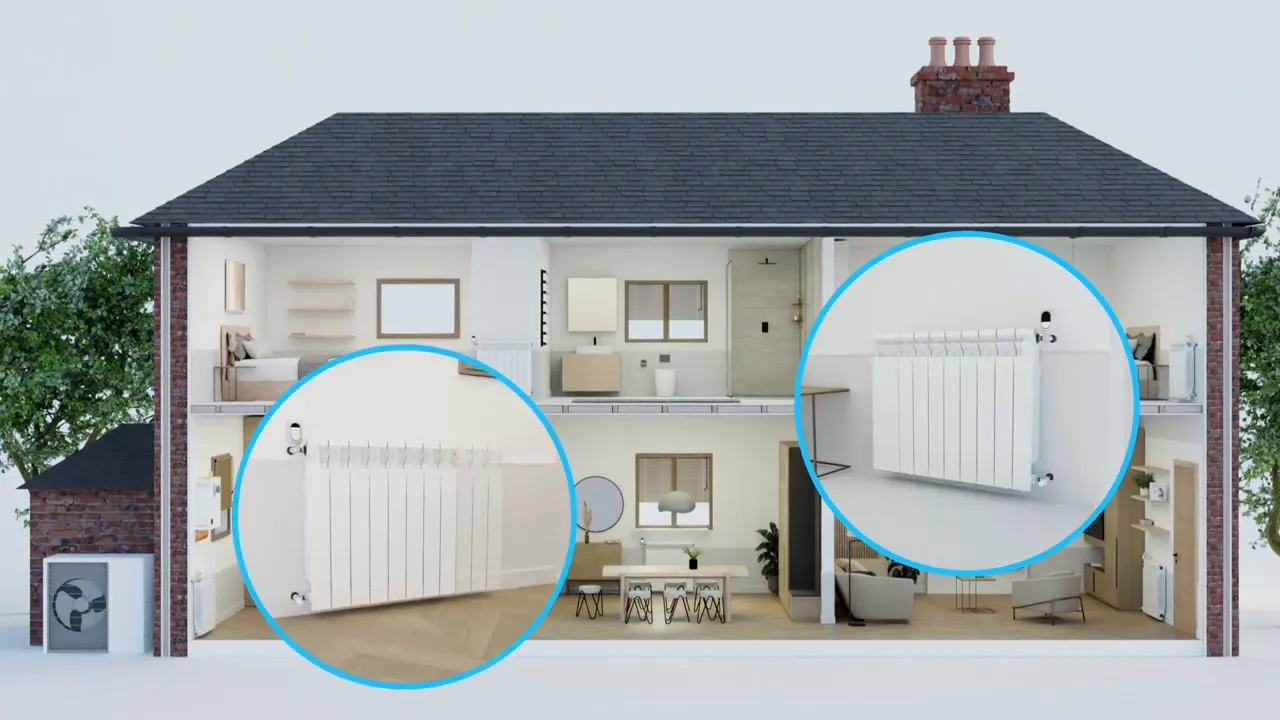
What retaining existing radiators does and does not mean
Keeping radiators does not mean ignoring system performance. A suitable installation should still consider whether each room can reach and maintain its preferred temperature. Some radiators may ultimately benefit from an upgrade, particularly in rooms with greater heat loss.
However, an assessment should not begin with the assumption that every radiator and every length of pipework must be replaced. Smart control gives the system an opportunity to work with what is already there, while highlighting where future improvements could make the greatest difference.
How Smart Heat Pump Control With Adia Works
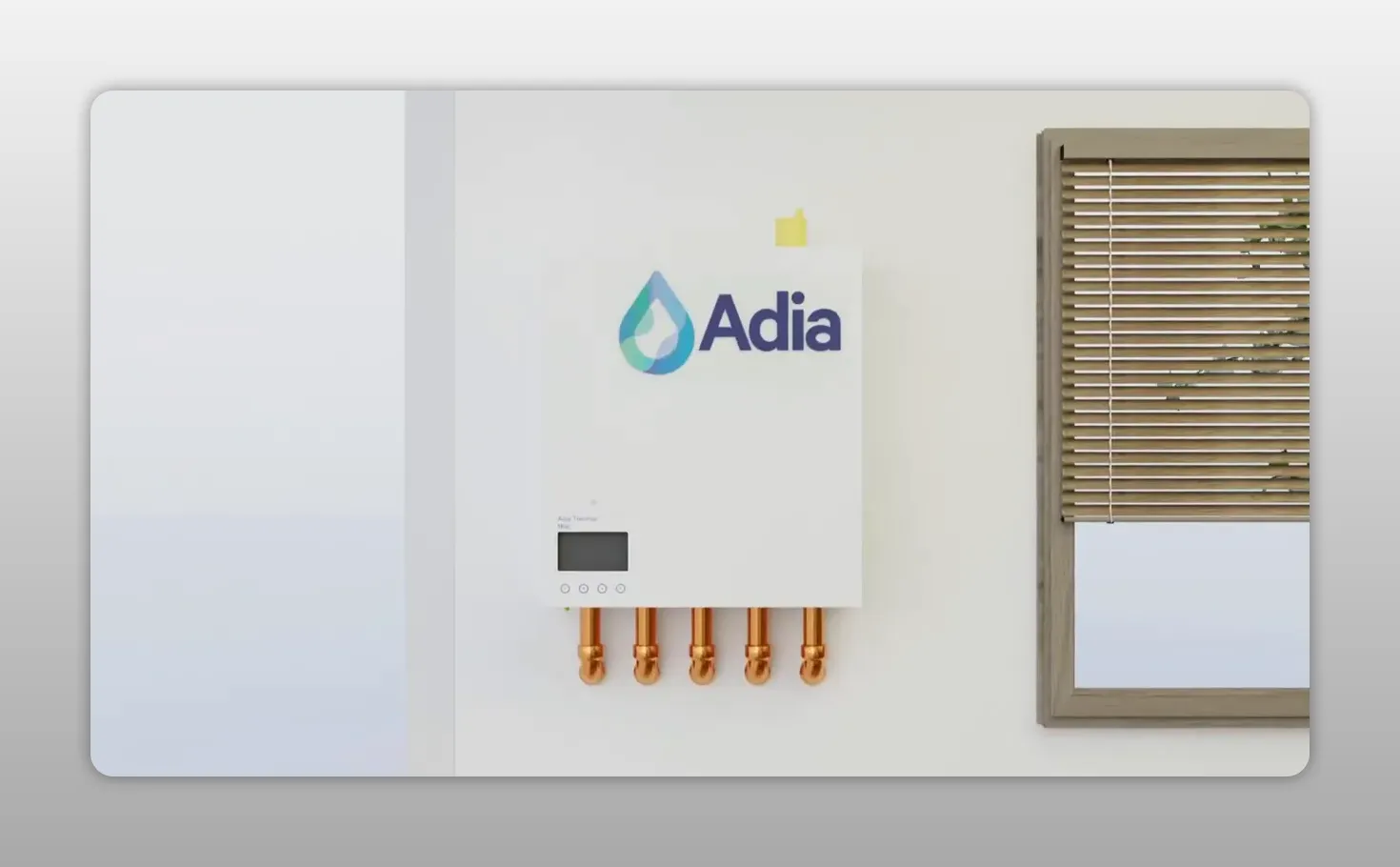
Adia combines a central smart hub with controls fitted to radiators. Together, these components coordinate the heat pump, hot water and room heating around the needs of the home.
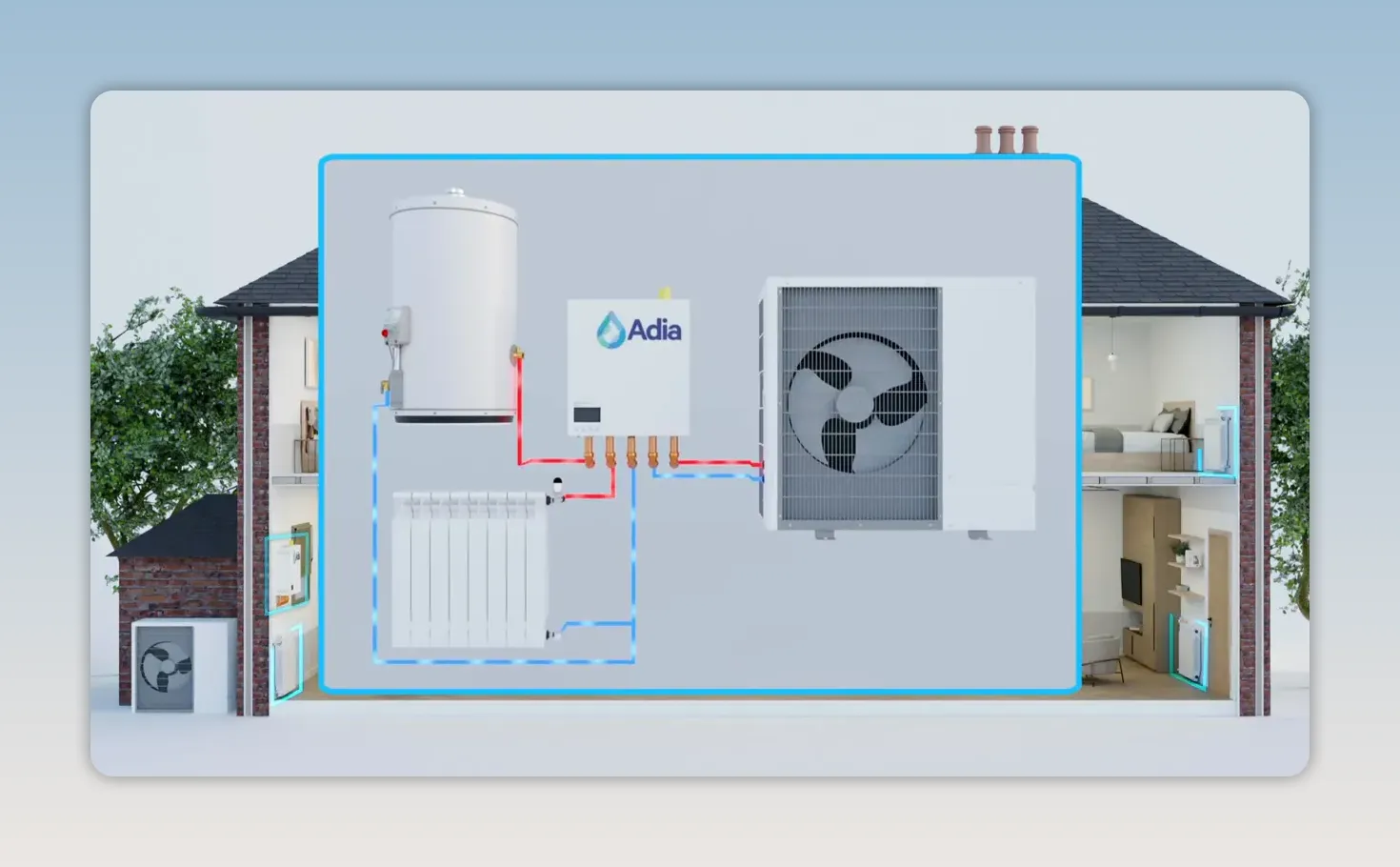
Set temperatures once, then control rooms individually
Homeowners set their preferred room temperatures, and the smart heat pump control system manages the radiators accordingly. This can help prevent a common comfort problem: one area becoming too warm while another remains cold.
Individual radiator control also makes it possible to keep bedrooms cooler while maintaining warmth in occupied living spaces. Instead of heating every room to the same level, the system can respond to different needs around the home.
Adapt to changing conditions
Homes do not behave the same way every day. Sunshine through a window can warm a room, while a fireplace can add a significant source of heat. Adia is designed to account for these changes and adjust heating output rather than continuing to provide unnecessary heat.
Over time, the system learns how heat moves through the property and where heat is escaping. This learning can reveal which radiators are struggling to meet demand, so any later upgrade decisions can be based on actual performance.
Use lower-cost energy periods
When energy is cheaper, Adia can gently preheat rooms and top up hot water. This scheduling approach is intended to shift heating activity towards lower-cost periods while maintaining comfort.
The stated potential saving is up to 40% on bills, but actual savings will depend on the property, energy tariff, heating demand and how the system is used. A heat pump survey is the right place to discuss what may be realistic for a particular home.
The Benefits of Keeping Your Existing Heating System
Where appropriate, retaining existing radiators and pipework can make a heat pump project more straightforward. The main benefits include:
- Less disruption: fewer components need to be removed or replaced.
- Faster installation: Adia-enabled installations are described as taking around one to three days, rather than weeks of extensive internal work.
- Lower upfront work: avoiding unnecessary radiator and pipework changes can reduce the scale of the installation.
- Room-by-room comfort: smart radiator control can help balance temperatures throughout the home.
- Clearer upgrade priorities: the system can flag radiators that may be worth improving after it has learned the property.
- A lower-carbon heating direction: an air source heat pump offers a route away from a fossil-fuel boiler without automatically rebuilding the entire central-heating system.
This is particularly useful for homeowners who are concerned that a heat pump installation will involve prolonged mess, major building work or a complete overhaul of a working radiator network.
Is Your Home Suitable for Adia Smart Heating Control?
Adia smart heating control is intended for homes moving to a heat pump that want to retain existing radiators and pipework where possible. It is especially relevant if the current heating system has uneven temperatures between rooms, if some spaces overheat, or if you want greater control over where and when heat is used.
A professional assessment remains essential. It should establish how your existing system performs, whether the rooms can be kept comfortable, and whether any individual radiator upgrades are likely to be beneficial.
A practical suitability checklist
A survey can help answer the following questions:
- Can the current radiators provide suitable comfort when controlled as part of a heat pump system?
- Are there particular rooms that regularly feel colder or warmer than others?
- Would room-by-room control solve a current comfort issue?
- Are there radiators that should be monitored and potentially upgraded later?
- Would preheating and hot-water scheduling around cheaper energy periods suit the household?
For broader independent guidance on heat pumps, see the Energy Saving Trust guide to air source heat pumps.
Common Mistakes to Avoid When Planning a Heat Pump
Assuming a full radiator replacement is unavoidable
Some homes may need radiator upgrades, but it is not sensible to assume that every radiator must be changed before an assessment. A smart heat pump control system can help existing radiators operate more effectively and reveal where upgrades would have the most value.
Using one temperature for every room
Bedrooms, living rooms and less-used spaces do not always need the same temperature. Room-by-room control helps avoid wasting energy by heating every part of the home identically.
Focusing only on the heat pump unit
The heat pump is important, but controls determine how its heat is used. A well-matched smart heat pump control approach can help a system respond to changing room conditions, hot-water needs and cheaper energy periods.
Expecting the system to stay static over time
A home’s heating needs can change with weather, occupancy and improvements to the building. The ability to learn heat-loss patterns and flag weaker radiators creates a path for informed, gradual improvements rather than unnecessary work at the outset.
Book Your Free Heat Pump Survey With Ecosolv Renewables
If you are considering an air source heat pump but want to avoid replacing radiators unnecessarily, a free heat pump survey with Ecosolv Renewables can help clarify the best route for your home.
The survey is an opportunity to discuss your current heating system, existing radiators, comfort concerns and whether Adia smart heat pump control could support a lower-disruption installation. It can also help identify whether any radiator improvements are likely to be needed now or could be considered later.
The key point: an air source heat pump does not inherently require a complete radiator replacement. With the right assessment and smart heat pump control, many homes can make the switch while retaining their existing pipework and radiators.
Frequently Asked Questions
Can an air source heat pump use old radiators?
Yes, an air source heat pump can work with existing radiators in many homes. A proper survey should assess the system, while smart heat pump control can optimise how each radiator is used and identify any that may be worth upgrading.
Do I need to replace all my radiators for a heat pump?
No. Replacing every radiator is not automatically necessary. Some homes may need upgrades in particular rooms, but Adia is designed to help a heat pump operate with existing radiators and pipework where possible.
What does smart heat pump control do?
Smart heat pump control coordinates the heat pump, radiators and hot water system. Adia manages room temperatures individually, adapts to heat from sunshine or fireplaces, and can schedule preheating and hot-water top-ups for cheaper energy periods.
Can a heat pump keep bedrooms cooler than living rooms?
Yes. With individual radiator control, Adia can maintain different target temperatures in different rooms, including cooler bedrooms and warmer occupied spaces.
How long does an Adia-enabled heat pump installation take?
Adia-enabled installations are described as taking approximately one to three days. The exact duration will depend on the property and the work required.